Whispers in my Ear
Andrei Pokrovskii, Margo Trushina, Henning Strassburger, Raúl Díaz Reyes, Yulia Iosilzon & Cato Lølan
11 December 2025 - 18 March 2026
Osnova, Valencia
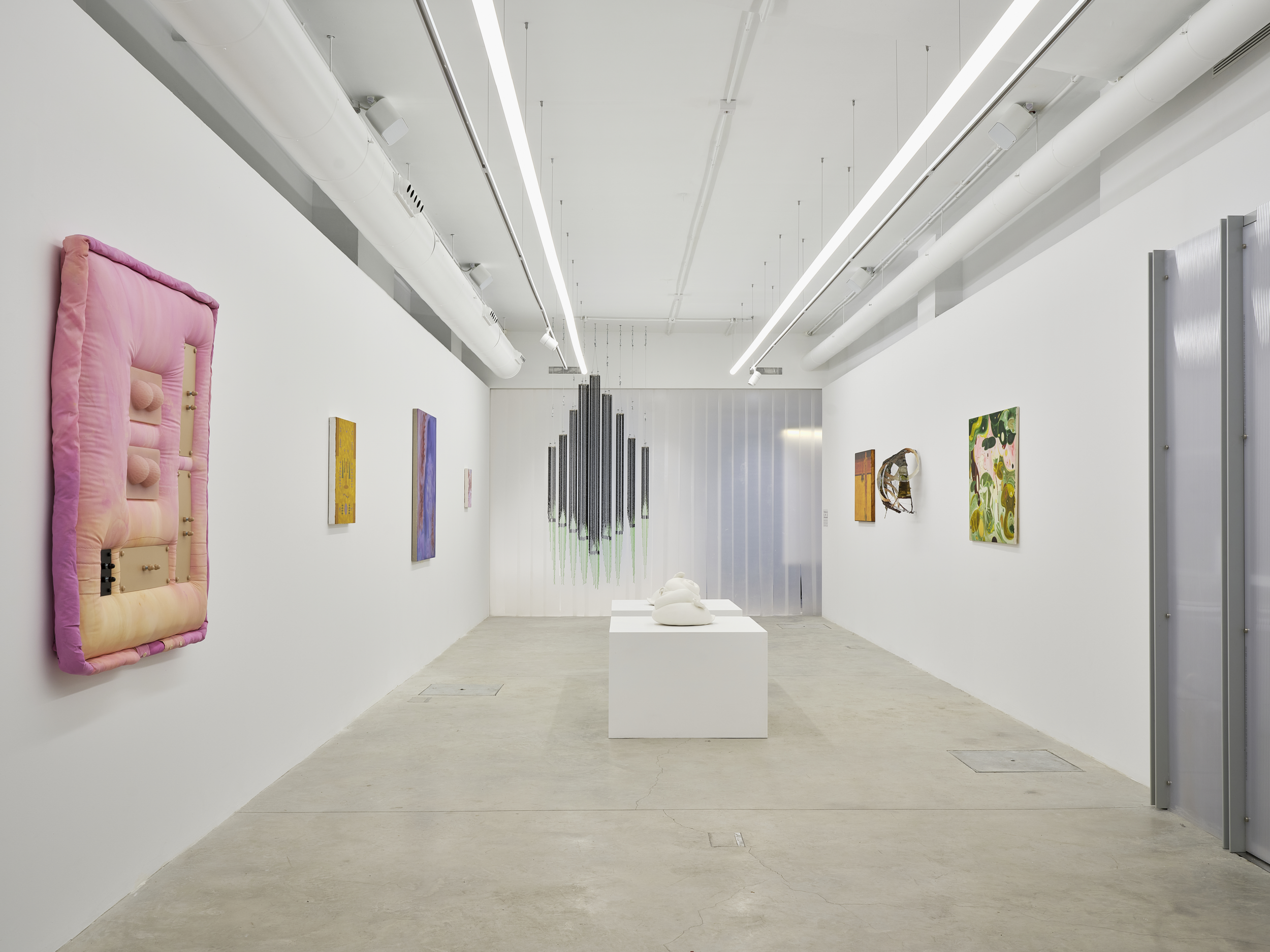
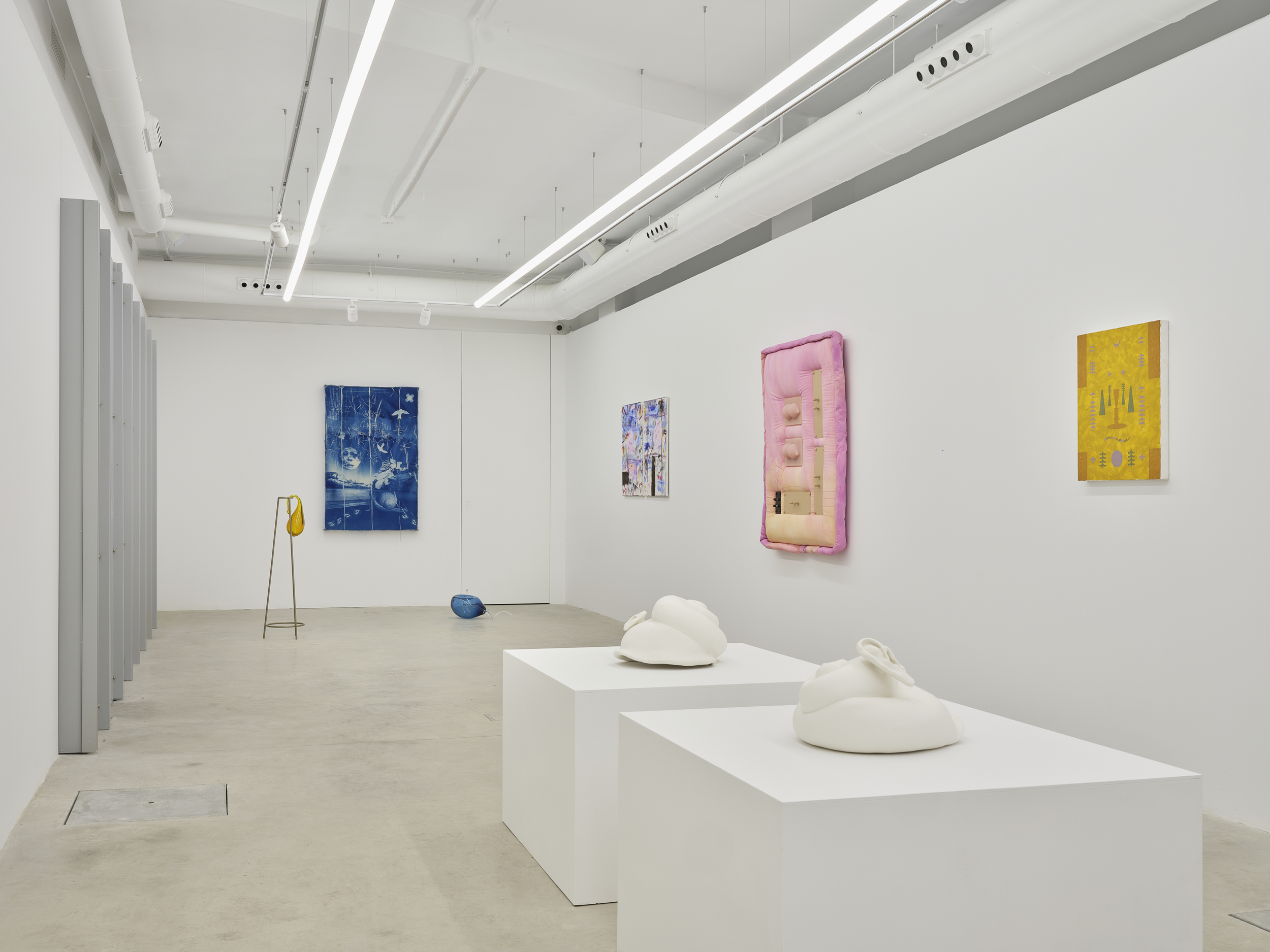
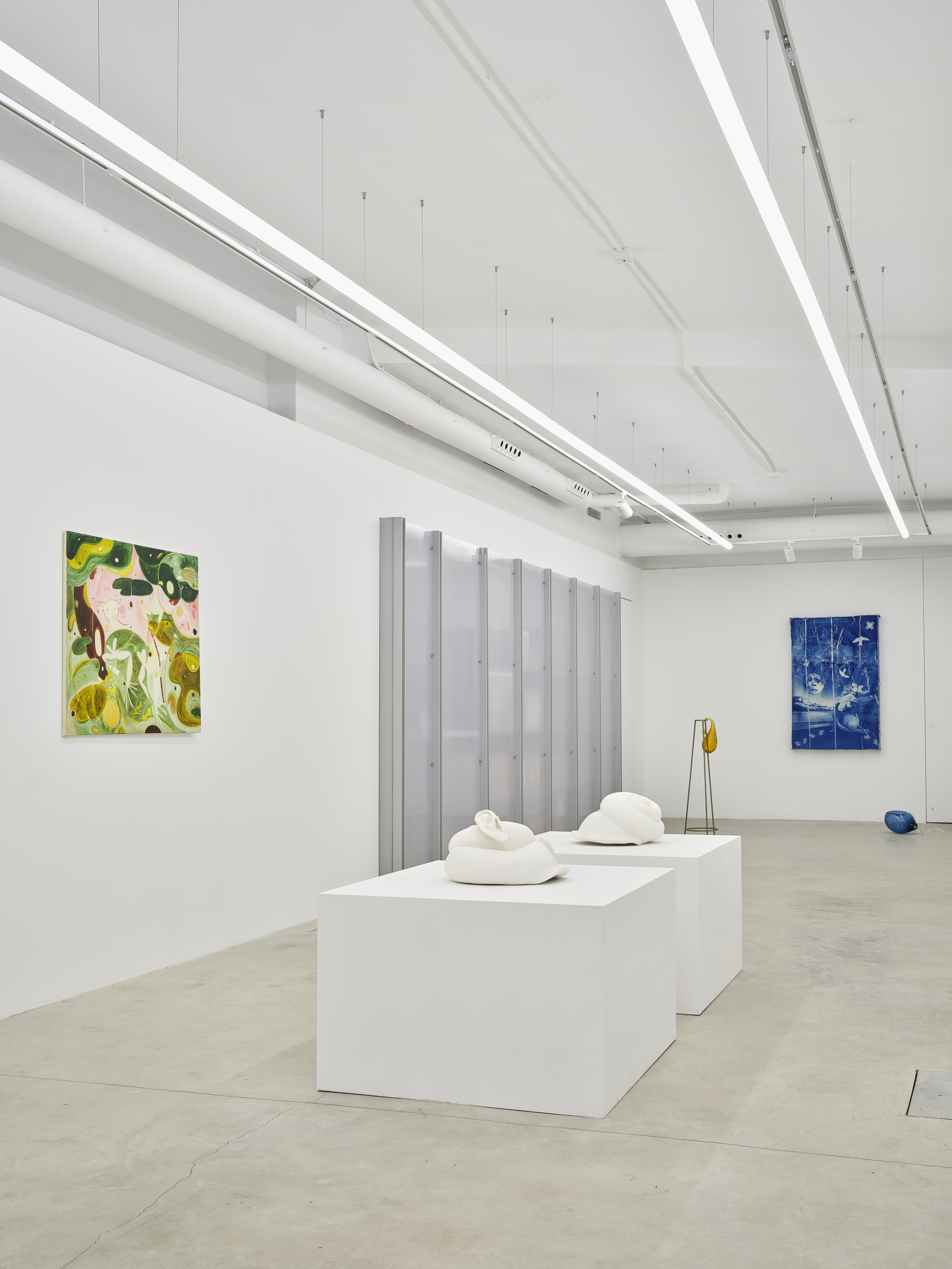
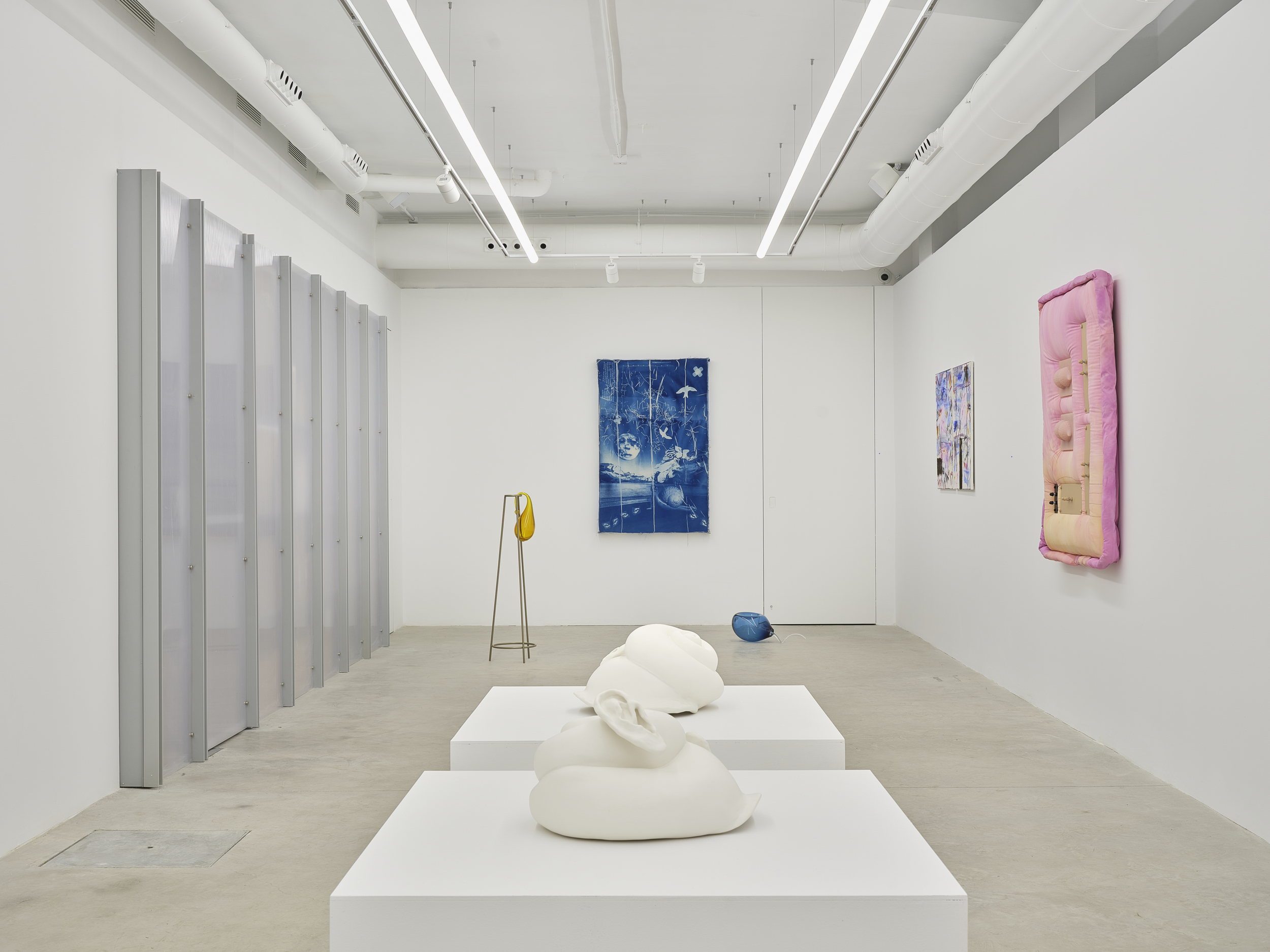
There is a language that crosses surfaces, creeps into the cavities of the visible and manifests itself as an echo. Whispers in My Ear arises from this perceptual threshold: from what lies between presence and absence, between the emergence and dissolution of an infinite multitude of stories and images. It is an exhibition that explores whispering as an aesthetic manifestation, a form of knowledge and a critical stance towards the world.
This whisper, in its ambiguity, does not impose but suggests; it does not ask to be simply heard, but to be perceived deeply. It is a lateral voice, fragile and necessary, which opposes the saturation of the visible and the sayable, of the already said. In this perspective, the works of Andrei Pokrovskii, Margo Trushina, Henning Strassburger, Raúl Díaz Reyes, Yulia Iosilzon, Cato Løland, Zsofia Antalka, Martina Cinotti, Yeşim Akdeniz, Maya Hottarek and Zhenlin Zhang unfold as perceptive microcosms, autonomous but communicating territories, where visual language expands beyond its disciplinary boundaries.
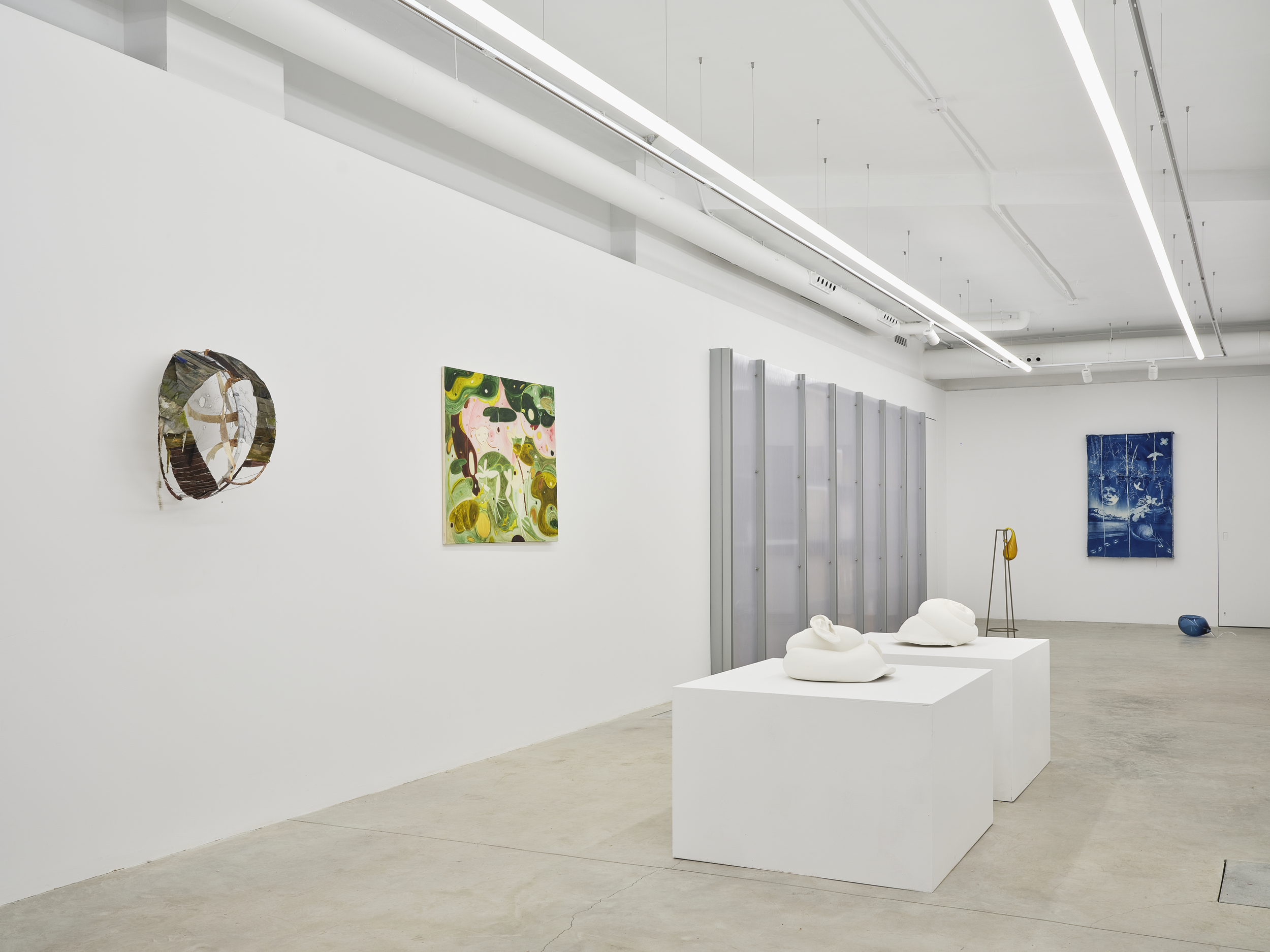
The heterogeneity of the media — including painting, sculpture, installation and mixed media — is not a simple formal fact, but a gnoseologicalcondition. It reflects the plurality of ways of listening, the variety of forms through which art can analyse and question reality. Here, every material, every surface, every gesture carries with it a vital impetus and an autonomous way of perceiving and thinking. In this sense, Whispers in My Ear does not construct a unified discourse, but a complex topology of the sensible: a cartography of various intensities, a web of resonances that spread eurhythmically throughout the exhibition space, like harmonic frequencies.
Furthermore, following Maurice Merleau-Ponty's phenomenological reflection, the aesthetic experience — generated in turn by perception — is not given as representation, but as embodied presence: an encounter between body and world. The works on display are not limited to being observed; they require being traversed, listened to, touched by the gaze in order to be truly experienced. In them, matter is not a vehicle, but a subject: it does not illustrate a concept, it generates it in its very making.
The conceptual architecture of the exhibition thus takes the form of a resonance device, in which the works are arranged not in succession but in chromatic and sensory proximity. What matters is not the sequence, but the internal rhythm: the vibration generated in the proxemic space between one work and another, like a score of silences, messages, situations, faint tensions, impulses and pauses. Each artist, based on highly personal experiences — sometimes close to stream of consciousness — participates in this relational field through a language of its own: sometimes lyrical, sometimes structural, sometimes almost imperceptible, sometimes particularly evident. All contribute to defining a single experiential dimension, based on sensory attention, tactile desire and perceptual fragility.
This proscenium, made up of concrete silence and a multiplicity of languages, does not generate stridency, but rather a discontinuous harmony: an unstable balance that reflects the contemporary condition of perception, which is becoming increasingly fragile.
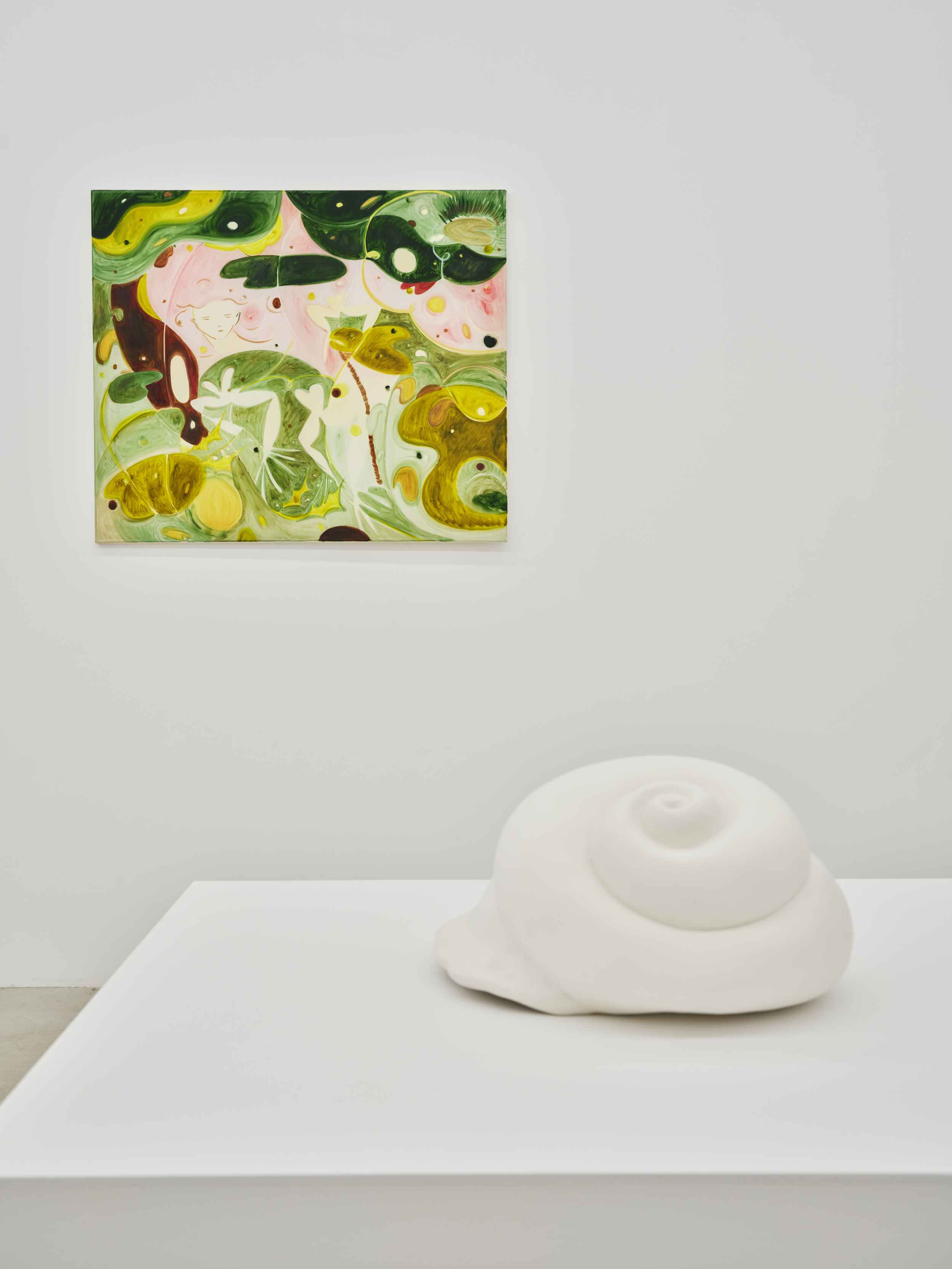
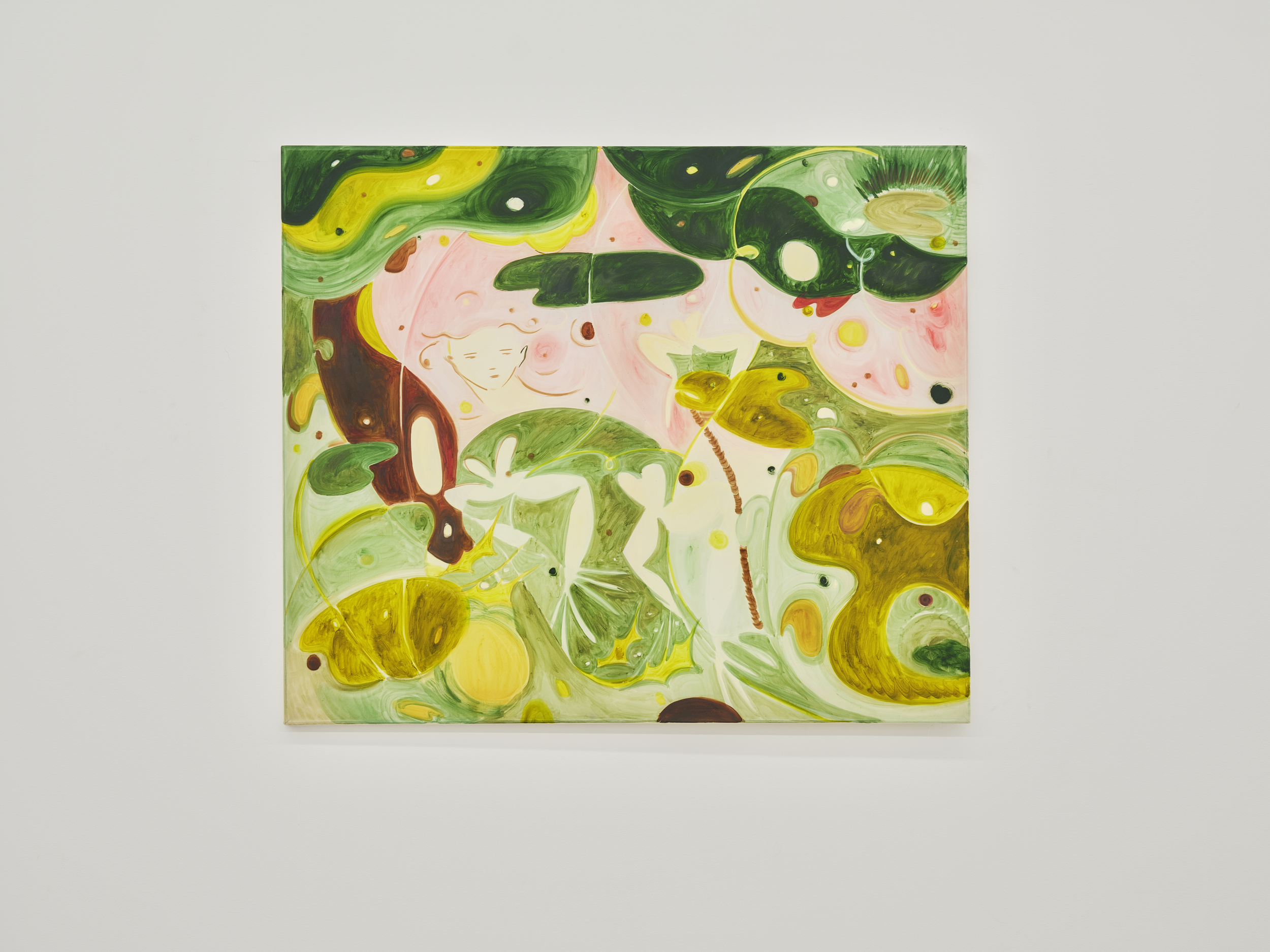
The works of Pokrovskii and Strassburger, for example, work on painting as a narrative field of resistance and dissolution: in the first case, the setting and narration become voice; in the second, it is the chromatic explosion that becomes language. Trushina and Hottarek translate matter into flow, opening a dialogue between natural elements and artifice. DíazReyes and Løland, on the other hand, investigate the rhythm of perceptual space and the resulting form of presence and absence, as well as of the sign. Iosilzon and Antalka, between biology and femininity, inhabit the imaginary as a threshold between dream and memory. Cinotti explores the human body as a permeable and mutable interface between subjectivity and environment, while Akdeniz introduces a more tactile and introspective dimension, in which form is always poised between the organic and the artificial. Finally, Zhang focuses his research on human experience, relationships between different cultures and emotional connections between individuals.
This choral nature generates a euphonious connivance, a polyphony of timbres and intensities that maps the sensitive, where difference is a necessary condition for harmony. Here, whispering takes the form of a choral and poetic gesture of resistance to excess, cacophony and predominance, opening up to a proprioceptive experience of the world, captured in its most imperceptible nuances.
From this perspective, Whispers in My Ear is not just an exhibition to look at, but an experience to inhabit: an exercise in radical attention and extended perception. It is an invitation to pause in the slow time of listening, to grasp the intensity that inhabits the liminal threshold between the visible and the intangible.
In the final echo, what remains is the sensation of a presence that does not show itself but draws near, speaking not only to the eye but to the body in its full potential. Here, perception transformes into memory, and memory, finally, becomes quiet and deep breathing.
Exhibition Text by Domenico de Chirico